
Endoscopic Spine Surgery in Indore
Home » Endoscopic Spine Surgery in Indore
Endoscopic Spine Surgery (UBE) in Indore
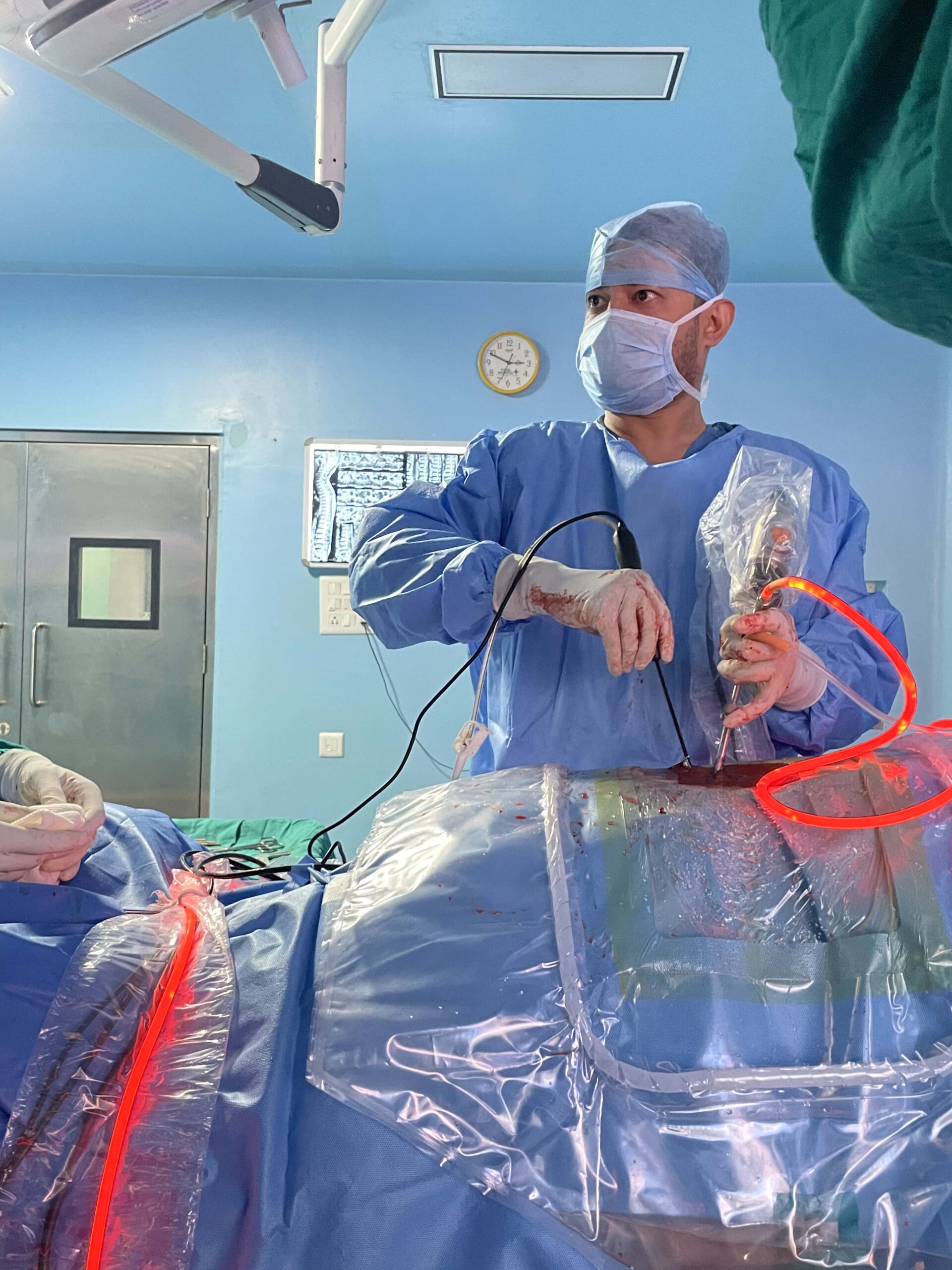
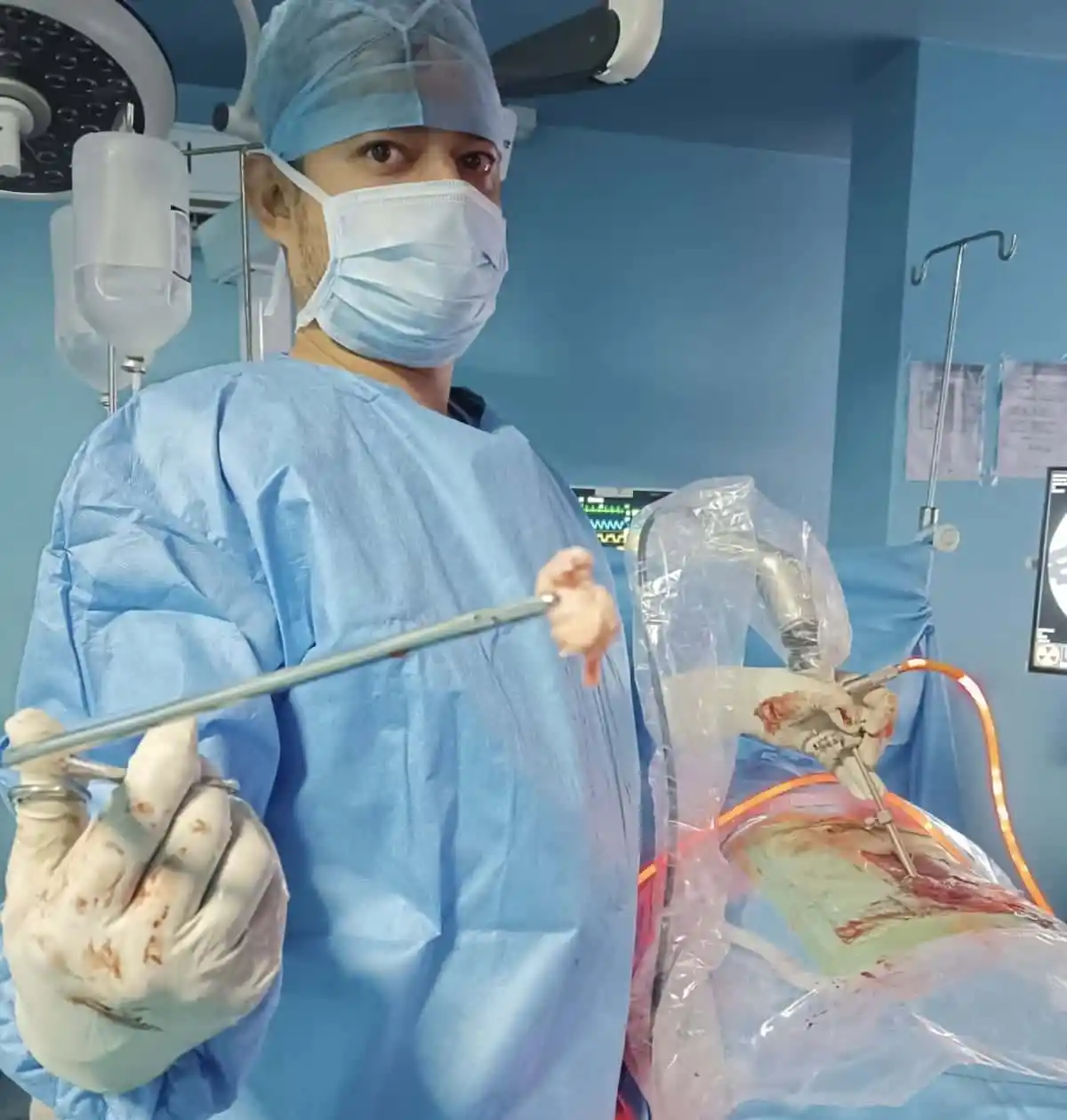
Endoscopic spine surgery, particularly the UBE (Unilateral Biportal Endoscopy) technique, is a modern, minimally invasive approach used to treat conditions like slip disc, spinal stenosis, and nerve compression. Instead of large incisions, this technique uses two small ports, one for the camera and one for surgical instruments, allowing precise treatment with minimal tissue damage. It is designed to relieve pain, remove pressure from nerves, and help patients return to normal activities faster than traditional open surgeries.
If you are looking for an endoscopic spine surgeon in Indore, Dr. Mitul Jain performs UBE procedures for patients whose nerve pain has not settled with medicines and physiotherapy. To discuss your case, call +91-9893501752.
What Is UBE Spine Surgery?
In traditional open spine surgery, the surgeon cuts and lifts the back muscles to reach the problem area. In UBE, the surgeon works through two tiny openings on one side of the spine. Through one opening, a high-definition camera shows a magnified view on a screen. Through the other, fine instruments are used to remove whatever is pressing on the nerve.
Water flows gently through the surgical area during the procedure. This keeps the view clear and helps control minor bleeding. The surgeon can clearly see the nerve, the disc, and the bone, which supports careful and accurate work.
UBE is mainly used in the lower back and neck, and its role continues to grow as techniques advance. If you are considering UBE spine surgery in Indore, an examination and scan review will tell you whether you are a suitable candidate.
Symptoms That May Require Endoscopic Spine Surgery
Patients who benefit from this procedure typically experience:
- Leg or arm pain due to nerve compression
- Numbness or tingling in the limbs
- Weakness in the arms, legs, or feet
- Difficulty standing or walking for long periods
- Severe back or neck pain that does not respond to conservative treatments like medication or physiotherapy
- Pain that returns repeatedly even after rest, injections, or exercise programmes
Surgery is not the first step for everyone. It is usually discussed when a proper trial of non-surgical care has not helped, or earlier if there is clear muscle weakness. Sudden loss of strength or loss of bladder or bowel control needs urgent evaluation, not a waiting period.
Types of Endoscopic Spine Procedures
Endoscopic techniques can be used for lumbar slip disc, foraminal stenosis, cervical disc problems, and even certain cases of spinal instability when combined with stabilisation methods. UBE offers better visualisation, greater mobility of instruments, and flexibility to treat multi-level or complex conditions with minimal disruption to surrounding tissues.
Common uses include:
- Endoscopic discectomy: Removal of the disc fragment pressing on a nerve, as in endoscopic slip disc treatment in Indore
- Endoscopic decompression for canal stenosis: Trimming thickened ligament and bone to create room for the nerves
- Foraminal decompression: Opening the exit path of a squeezed nerve root
- Removal of bone spurs: Clearing overgrowths that irritate the nerve
- Cervical endoscopic procedures: Selected neck disc problems causing arm pain
- Endoscopic-assisted fusion: Used when decompression has to be combined with stabilisation
How the Procedure Works
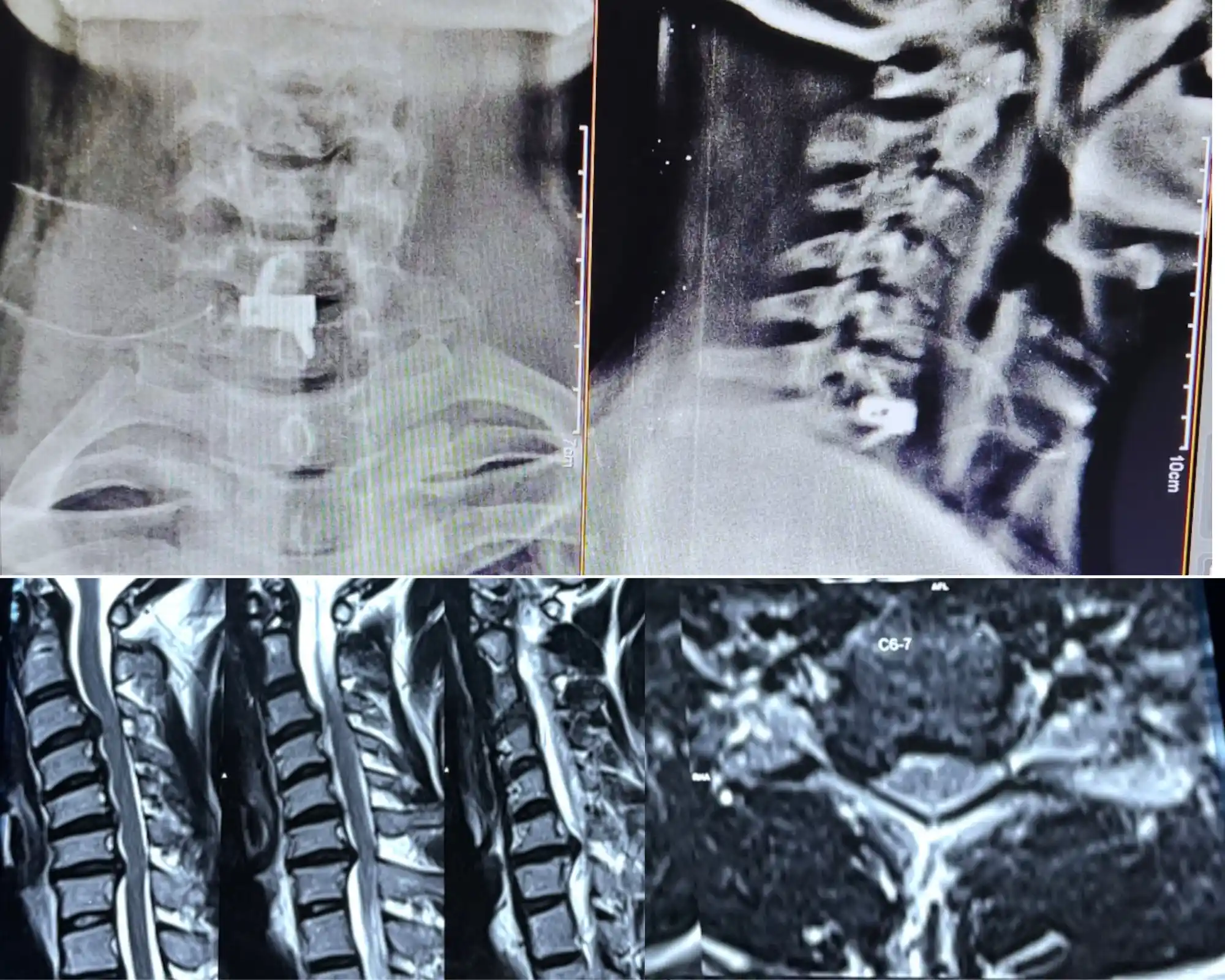
Step 1: Evaluation. The procedure begins with a detailed evaluation and imaging to identify the root cause. An MRI is the main scan, and X-rays or a CT scan may be added to assess bone and stability. Blood tests and an anaesthesia check are done before surgery.
Step 2: Anaesthesia and positioning. The procedure is usually done under general or regional anaesthesia, and you are positioned comfortably, lying face down for most lumbar cases.
Step 3: Two small incisions. One portal carries the high-definition endoscopic camera, while the other allows the surgeon to operate with fine instruments.
Step 4: Decompression. The surgeon removes the disc fragments, thickened ligaments, or bone spurs compressing the nerve, and confirms that the nerve is free and moving normally.
Step 5: Closure. The tiny openings are closed with a few stitches and covered with small dressings.
Because the technique avoids cutting major muscles, bleeding is minimal, and recovery is faster. Most patients walk the same day or within hours, resume daily activities sooner, and experience faster pain relief with significantly less postoperative discomfort. The exact timeline differs from person to person.
Why Endoscopic Surgery Is Preferred
Compared to open surgery, endoscopic spine surgery offers smaller incisions, reduced muscle injury, faster recovery, less blood loss, fewer complications, and quicker return to work. It is especially beneficial for patients seeking effective results with minimal downtime.
It also suits people who are worried about long hospital stays, such as working professionals, homemakers who cannot be away from the family for long, and older adults who need a gentler operation.
Is UBE Right for Every Patient?
UBE is a powerful tool, but it is not meant for every spine problem. It may not be the right choice when:
- There is a severe spinal deformity needing major correction
- The spine is highly unstable or has a significant fracture
- The problem is a tumor or infection needing a different approach
- The scans show a pattern that is better handled by another technique
An honest discussion before surgery matters. If another method suits you better, you should be told so clearly.
Recovery After UBE Surgery
- Walking is encouraged early, often within hours of the procedure
- Pain from the nerve usually improves first, while back soreness settles over the following weeks
- Sitting for long, heavy lifting, and sudden twisting are avoided for a period advised by your surgeon
- A guided exercise programme rebuilds core and back strength
- Stitches are small, and the wound is kept dry until your review visit
- Follow-up visits track nerve recovery and help adjust your activity
Report fever, increasing pain, wound discharge, or new weakness to your doctor promptly.
Questions Patients Often Ask
Is endoscopic surgery painless?
You are fully anaesthetised during the procedure. Afterwards, discomfort is usually milder than after open surgery, and pain medicines are given as needed.
How long is the hospital stay?
It is short for many patients, and some go home within a day or two, depending on the case.
How soon can I return to work?
Desk work may resume sooner than physically heavy work. Your surgeon will guide you according to your job and healing.
Can the problem come back?
Disc and spine problems can recur in some people. Core strengthening, weight control, and good posture lower that risk.
Why Patients Choose Dr. Mitul Jain for UBE
Dr. Mitul Jain is trained in advanced Unilateral Biportal Endoscopic (UBE) techniques and has extensive experience treating complex spinal conditions with minimally invasive methods. His approach focuses on precision, safety, and achieving maximum relief with the least disruption. Every treatment plan is tailored to the patient’s condition, ensuring dependable results and a smoother recovery.
During your consultation, you can expect:
- A review of your own MRI films, not just the report
- A frank opinion on whether endoscopy, another procedure, or no surgery at all fits your case
- An explanation of what the operation will and will not fix
- A recovery plan written around your work and home routine
Book Your Evaluation
If back or leg pain is affecting your daily life and conservative care hasn’t helped, reach out to us. A detailed evaluation will help determine whether endoscopic spine surgery is the right, minimally invasive path to lasting relief. Carry your MRI, X-rays, and a list of your current medicines to the first visit.
Call Dr. Mitul Jain: +91-9893501752